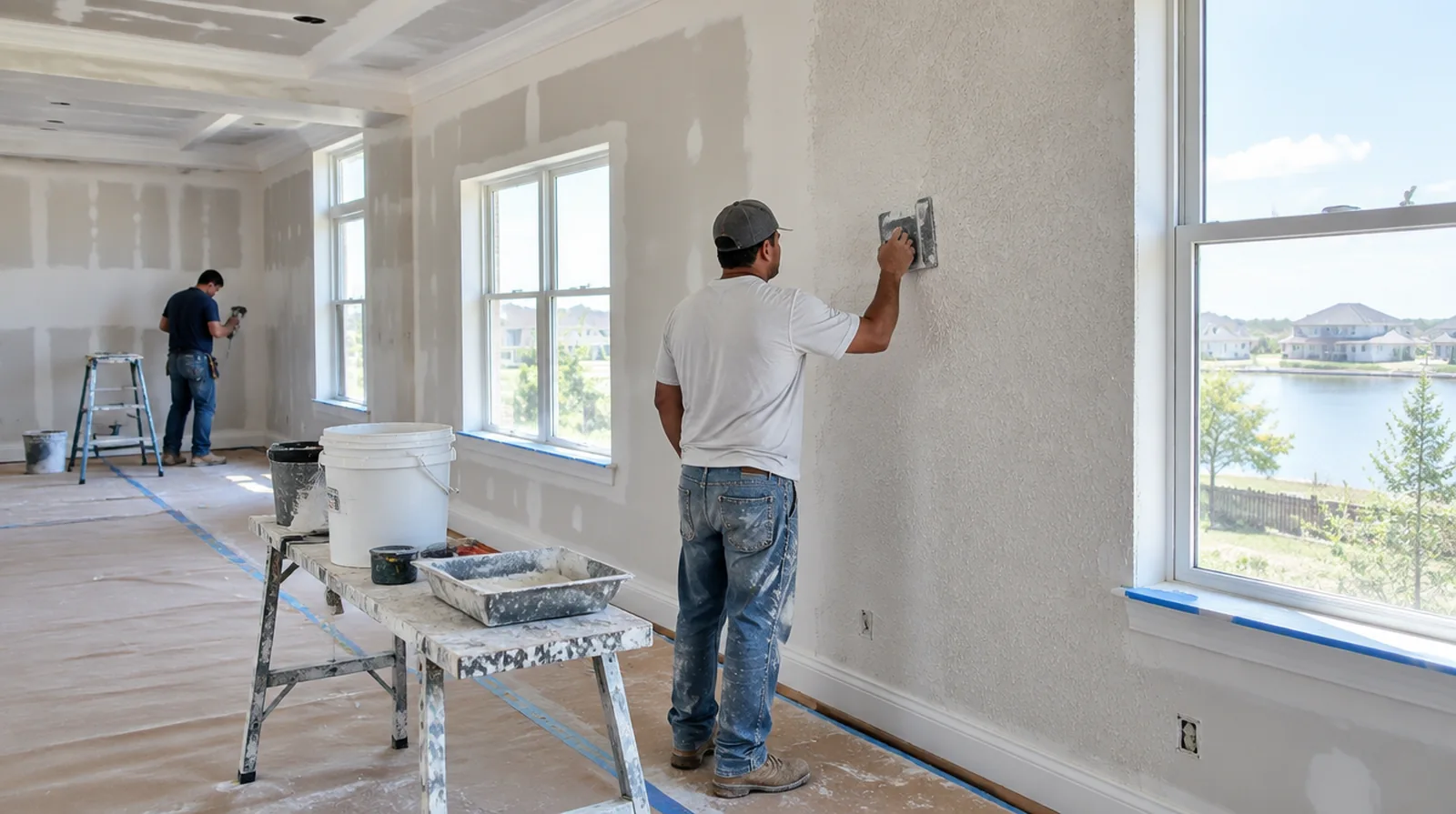
Identify the existing pattern
Orange peel, knockdown and hand applied textures create different depths and shadow lines. The existing wall should be examined in the actual room lighting before selecting a matching method. When reviewing the finished work, use the agreed lighting and natural room viewpoints so the assessment reflects the intended use of the space.
Set realistic blend expectations
Age, paint buildup and irregular original application can limit how closely a patch can blend. A wider wall treatment may be worth discussing if a localized repair remains conspicuous. Where a finished perimeter is prominent, decide whether trim stays in position or is removed before agreeing how the new surface meets that edge.
Blend beyond the patch
A sharp rectangular transition can expose the repair even when the new pattern is otherwise similar. Feathering the application into adjacent sound material can soften the transition around the repair. If scheduling is the main concern, separate hands on labor from drying intervals instead of treating every visit as a full day of active work.
Control application conditions
Compound consistency and application distance affect how a sprayed pattern lands on the wall. A knockdown pass also depends on when the applied material reaches the right condition in that room. When the same defect has returned, share information about previous repair methods so the next assessment can consider why they did not last.
Allow time before painting
Applying paint before the texture has dried can disturb the pattern or produce uneven absorption. The quote should explain whether the next decorating stage is included or left to a painter. When a paint contractor follows the drywall work, define the surface condition being handed over and decide who handles any minor final touch ups.
Protect surrounding finishes
Texture overspray can settle on trim, flooring and nearby fittings if they are not masked. Protect the full reach of the operation, including fittings and trim beyond the original damaged spot. If a distinct painter completes decoration, agree the condition of the handed over surface and assign responsibility for small final corrections.
Study the paint layers
Repeated painting can soften an old pattern and change how its peaks reflect light. A fresh application might need adjustment to resemble the current surface rather than the original texture recipe. For a small repair with extensive setup, compare the total scope rather than assuming the price should follow the hole dimensions alone.
Consider hand applied surfaces
Troweled textures need attention to tool direction, pressure and spacing between repeated shapes. A representative trial is useful when there is no standard machine setting that reproduces the existing finish. For a distinctive existing pattern, retain a reference sample or detailed picture to make the matching discussion more specific.
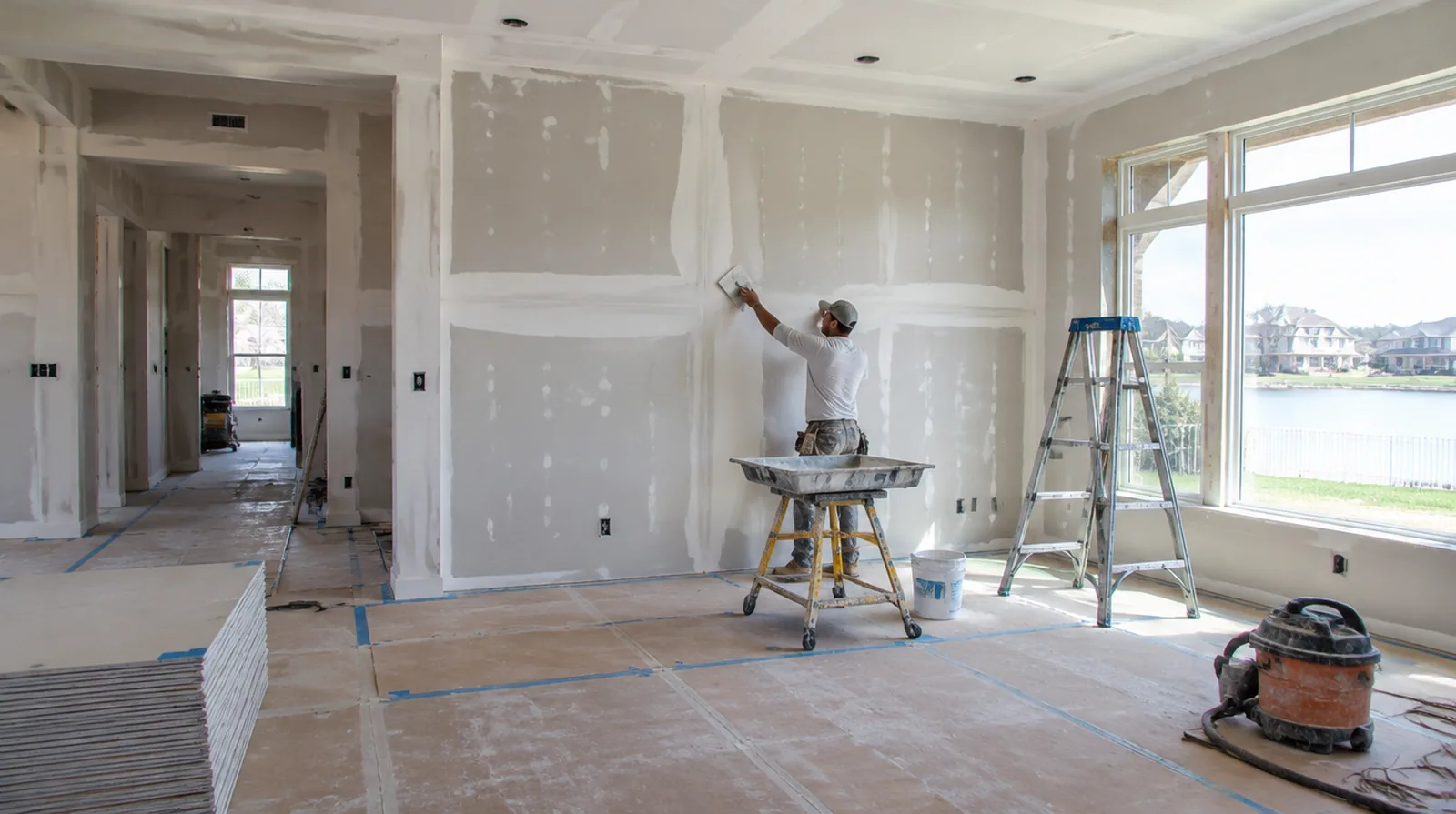
Judge from normal positions
Assess the dried texture from everyday viewpoints instead of judging only a close view of a wet sample. The planned decorative paint sheen and oblique light both belong in the final appearance discussion. When the decorative coating has been selected, tell the finisher its intended sheen and color while the substrate preparation standard is still being agreed.
Prepare a sample area
A small test helps establish particle size, spacing and the amount of flattening needed. Approve the sample before extending the treatment across the entire repaired area. When damage followed other building work, describe the nearby alterations and the sequence between those changes and the first visible defect.
Project context in Atascocita
Expansive clay under Atascocita homes moves slab foundations, which shows up as diagonal cracks over doors. Some Harvey-era drywall repairs in the Lake Houston area now show seams that need refinishing.
Scope questions before finishing
For work spread across different planes, record their dimensions separately and describe the boundary of the treatment on each surface.
At a surface receiving strong window light, review a dried trial from the side in addition to the normal straight view of the wall surface.
For a project with several trades, agree which inspection or handover point must happen before the next person starts work.
When comparing competing estimates, make sure their protection, surface finish and disposal allowances describe equivalent work before comparing the final prices.
When a quote includes multiple visits, ask what happens during each stage and when the space needs to remain undisturbed between coats.
For a room that stays in use, set a workable boundary around construction while retaining the access people need for normal daily activities.
When painting is outside the proposal, describe the remaining decorative preparation clearly so another contractor can price that stage accurately.
Where light reflects along the wall, inspect the complete plane instead of limiting the review to the edge immediately next to the repaired section.
For a limited patch requiring substantial setup, assess the complete package of access and protection rather than relating cost only to the opening size.
If a room has only limited ventilation, discuss how the finishing materials can dry without disrupting comfort or spreading dust elsewhere.
When a paint contractor follows the drywall work, define the surface condition being handed over and decide who handles any minor final touch ups.
At an edge beside built in furniture, state whether the obstruction will be removed or whether finishing stops at the section that can be reached.
Explore the Atascocita drywall overview for related options, or read the project planning information before arranging the next stage.
More planning details for Atascocita
Dating photos of a crack helps show whether movement is ongoing before a repair is scheduled. HOAs in Atascocita often set rules for contractor parking, dumpsters and working hours. Gulf humidity slows drying, so air conditioning and fans help between finishing coats.